
What Sponsors Look for in Clinical Trial Talent (and Why Most Candidates Miss It)
By Jessica Leveille (Practice Lead), Leslie Capell (Recruitment Practice Lead, Biometrics), and Neha Potdar (Manager of Recruitment & Site Management and Manufacturing Practice Lead)
The competition for clinical trial talent remains strong, but landing an interview or receiving an offer often comes down to more than a candidate’s technical qualifications. Sponsors are building teams that can navigate increasingly complex studies, collaborate across functions, and keep programs moving despite changing timelines and unexpected challenges. While experience opens the door, the way candidates communicate that experience often determines what happens next.
Many professionals spend interview time walking through job responsibilities. Sponsors are listening for something different. They want to understand how you think, how you solve problems, and what kind of impact you can have on a study from day one.
What Sponsors Really Want from Clinical Trial Talent
Strong clinical trial talent combines scientific expertise with the ability to contribute beyond a job description. Sponsors want professionals who understand how their work influences the success of an entire clinical program.
Clinical trials are high-stakes, highly regulated, and increasingly complex. Every hiring decision has the potential to influence study timelines, patient enrollment, data quality, and regulatory outcomes. Sponsors aren’t simply filling open positions. They’re building teams that can navigate uncertainty, collaborate across functions, and keep studies moving forward. That business reality shapes what they look for throughout the hiring process.
That means demonstrating strategic thinking, ownership, and sound judgment in addition to technical knowledge. Clinical trials rarely follow a perfect path. Delayed enrollment, shifting timelines, protocol amendments, and operational challenges are part of the process. Candidates who can explain how they identified obstacles, developed solutions, and kept studies moving often leave a stronger impression than those who simply describe their day-to-day responsibilities.
Sponsors are also evaluating growth over time. Career progression, expanded therapeutic expertise, leadership opportunities, and increasing responsibility all help demonstrate long-term potential. Showing how your role has evolved tells hiring teams you’re prepared to take on new challenges as studies become more complex.
Equally important is the ability to connect your work to measurable outcomes. Rather than stopping at tasks, explain the results your work helped achieve, such as:
- Improving patient enrollment rates
- Reducing study startup timelines
- Supporting successful regulatory inspections
- Implementing process improvements
- Leading cross-functional initiatives that improved study execution
How you communicate those accomplishments matters just as much as the accomplishments themselves.
For example, instead of:
Improved processes.
Try:
Implemented process improvements that reduced delays and improved study execution.
Specific examples help sponsors understand not only what you were responsible for, but also the value you brought and the outcomes you achieved.
The Details That Separate Strong Candidates
Long before a sponsor interview takes place, candidates are already being evaluated. Every interaction helps shape a sponsor’s confidence in your ability to represent their organization and contribute to a successful study.
Here are some of the areas sponsors and life sciences recruiters consistently pay attention to:
Make a Strong First Impression
The recruiter conversation is more than a scheduling step. Recruiters evaluate how you communicate, organize your thoughts, and present yourself professionally because they are deciding whether to recommend you to the sponsor.
Simple actions can make a significant difference:
- Arrive on time for scheduled calls.
- Communicate proactively if you need to reschedule.
- Be prepared to discuss your experience in depth.
- Demonstrate professionalism from your very first interaction.
Build Credibility Through Consistency
Sponsors look for clear, accurate, and trustworthy information throughout the hiring process. Before applying, review the basics:
- Ensure your resume includes accurate job titles and employment dates.
- Clearly highlight your therapeutic areas and Phase I-IV clinical trial experience.
- Keep your LinkedIn profile aligned with your resume.
- If you worked for a CRO supporting a sponsor, list the CRO as your employer to accurately reflect your experience.
- Focus on clarity and relevance rather than trying to fit everything onto a one-page resume. For experienced professionals, two to three pages is often appropriate.
Show How You’ll Contribute to the Team
Technical expertise matters, but sponsors also evaluate how you’ll work with others and navigate the realities of clinical research.
Be prepared to demonstrate:
- Cross-functional collaboration
- Adaptability when studies encounter challenges
- Clear, proactive communication
- A patient-centered mindset
- Knowledge of the sponsor’s therapeutic area, pipeline, or patient population
- How your experience aligns with the organization’s goals
Sponsors often use behavioral interview questions to uncover these qualities. Before your interview, prepare specific examples that demonstrate how you’ve:
- Solved a challenging study issue
- Influenced a cross-functional team
- Balanced competing priorities during a trial
- Improved a process or workflow
- Adapted when timelines, protocols, or study priorities changed
Concrete examples make it easier for sponsors to envision how you’ll contribute when similar challenges arise in future studies.
Why Partnering with Orbis Clinical Gives Candidates an Advantage
Understanding what sponsors value is difficult without direct exposure to the hiring process. That visibility is where Orbis Clinical helps life sciences candidates stand out.
For more than 20 years, Orbis Clinical has partnered exclusively with life sciences organizations across clinical operations, biometrics, regulatory affairs, quality, manufacturing, and other specialized functions. Those long-standing relationships provide insight into what sponsors prioritize throughout the hiring process, allowing recruiters to help life sciences candidates present their experience in ways that resonate with hiring teams.
Because Orbis Clinical recruiters work closely with sponsors throughout the hiring process, they gain firsthand visibility into how expectations continue to evolve. That insight allows candidates to prepare beyond the basics by refining interview responses, highlighting the accomplishments sponsors care about most, and aligning their experience with the specific needs of each opportunity.
That guidance extends well beyond matching resumes to job descriptions. Life sciences recruiters work closely with candidates to identify the accomplishments that matter most, communicate measurable business impact, and align experience with a sponsor’s therapeutic focus and hiring goals. Combined with access to opportunities at leading biopharmaceutical companies and deep expertise across specialized life sciences disciplines, life sciences candidates receive support that is focused on long-term career alignment rather than simply filling the next role.
Turn Strong Experience into Stronger Opportunities
Every sponsor is looking for experienced clinical trial talent, but experience alone rarely tells the whole story. Life sciences candidates who can demonstrate business impact, communicate with confidence, show adaptability, and connect their expertise to a sponsor’s goals consistently position themselves for stronger opportunities.
The most competitive candidates begin preparing long before the interview. They think about the outcomes they’ve driven, the challenges they’ve overcome, and the story they want their experience to tell. When those examples are paired with professionalism, preparation, and a clear understanding of a sponsor’s priorities, they create a far more compelling case than technical expertise alone.
Preparing for those conversations before the interview begins can make a meaningful difference. With the right guidance and a clear understanding of what sponsors are evaluating, candidates can present their experience in a way that reflects both their expertise and the value they bring to every clinical trial.
Looking for your next role in clinical research? Orbis Clinical works closely with leading life sciences organizations, giving our recruiters valuable insight into what sponsors are looking for in today’s market. Explore current opportunities or connect with an Orbis Clinical recruiter to prepare for your next career move with confidence.
About Jessica
 Jessica Leveille is a Practice Lead at Orbis Clinical. She is an experienced, heard-it-seen-it-all recruiter with over 25 years of experience navigating candidate/client relations. She resides in NH with her two amazing children, an extremely patient husband who likes to do housework, and their three dogs. If she’s not tied to her laptop, she’s skiing or reading a good book.
About Leslie
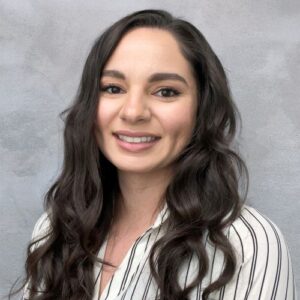 As a Recruitment Practice Lead specializing in life sciences at Orbis Clinical for nearly ten years, Leslie Capell has developed deep expertise within the Biometrics space. She focuses on clinical data, statistical and clinical programming, and biostatistics, successfully placing candidates in both long-term contract and permanent roles. Many of these professionals have returned to partner with Leslie on multiple assignments. With a passion for guiding careers forward, she takes pride in connecting talent with some of the most respected companies in the industry.
About Neha
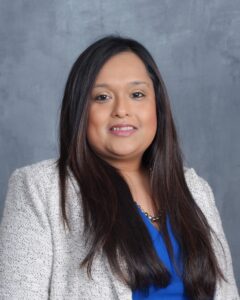 Neha Potdar is a dynamic and results-driven Manager of Recruitment and Practice Lead with a strong background in talent acquisition, client relations, and workforce strategy. She is an accomplished recruiting professional with extensive experience in full cycle recruitment in Life Sciences across different verticals (Research and Development, Drug Safety, Clinical Operations, Medical Affairs, Biometrics) and diverse clientele from startups to Fortune 500. The recruitment team has a proven track record of placing candidates across various models of contract, contract-to-hire, permanent, and retain search. Neha is passionate about cultivating strong professional relationships, driving team growth, continuously improving recruitment processes, and building high-performing teams.